Key Takeaways
- Ianalumab helped over half of ITP patients keep safe platelet counts for a year.
- The trial showed better results than placebo for both high and low doses.
- Ianalumab may allow long-term remission without ongoing therapy.
- The drug is not yet FDA-approved; more monitoring is ongoing.
- The findings offer new hope for people with ITP.
Promising results have been published in a phase III clinical trial investigating the experimental monoclonal antibody ianalumab against the symptoms of immune thrombocytopenia. The study found that over half of patients were able to sustain a safe platelet count for over a year after being treated with ianalumab.
The study, led by researchers from the Perelman School of Medicine at the University of Pennsylvania, was published in the New England Journal of Medicine. They presented their findings at the 67th Annual Meeting of the American Society of Hematology (ASH) in Orlando, FL.
Immune Thrombocytopenia
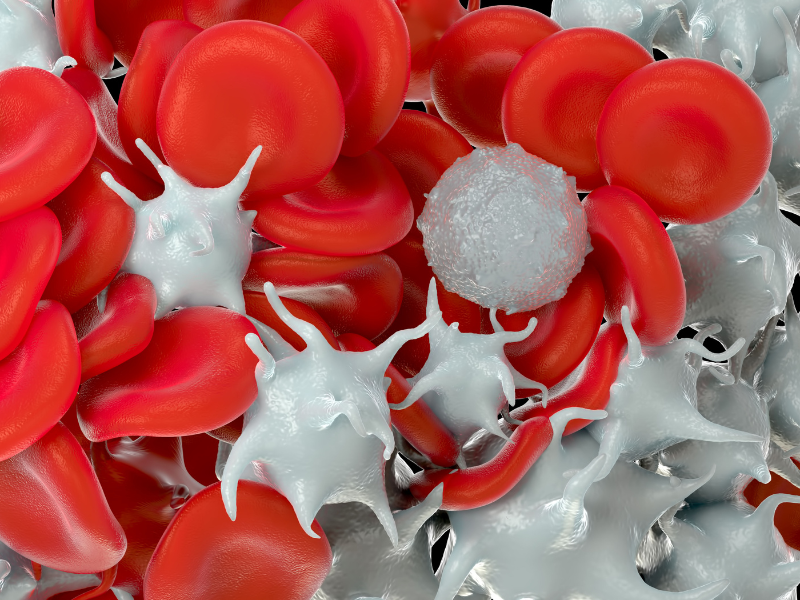
Primary immune thrombocytopenia is an autoimmune disease whereby the immune system attacks and kills healthy platelets and as a result the body finds itself unable to form clots. This can lead to dangerous episodes of excessive bleeding and bruising.
“As a hematologist, I’m glad that we have effective therapies for ITP, but they’re not necessarily ideal for chronic disease management or long-term quality of life,” said Adam Cuker, lead author and clinical director of the Penn Blood Disorders Center.
“This study shows that prolonged, durable responses to ITP treatment, without the need for ongoing therapy, are possible – and that’s a huge advantage for patients.”
VAYHIT2
The investigational antibody ianalumab targets autoreactive B cells via the B cell activating factor (BAFF) receptor. 152 adult patients participated in the double-blind randomised clinical trial, named VAYHIT2 and funded by Novartis. Patients were separated into three cohorts: 50 received a higher dose of ianalumab, 51 patients received a lower dose, and 51 received a placebo.
Researchers measured TTF: how long patients went before their treatment stopped working. After 12 months, just over half of those on ianalumab, whether high or low dose, avoided treatment failure, compared to only 30% with a placebo. At six months, 62% of the high-dose group kept their platelet levels stable, while only 39% did so with a placebo.
Road toward approval and ‘a new era of hope’
Ianalumab is still undergoing clinical trials for various autoimmune conditions and is not yet FDA-approved. Researchers will continue monitoring study patients for long-term treatment response.
“We’re looking forward to seeing if the treatment-free responses in this study extend out even further,” Cuker said.
“Improving the long-term reality of living with ITP is not something we’ve been able to think about before. The goal has always been to improve platelet counts or reduce the risk of bleeding, but this research is ushering in a new era of hope for patients with ITP.”