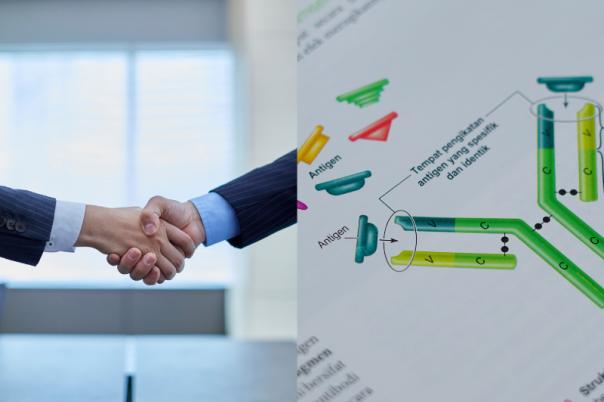
As biologic therapies become more complex, manufacturing strategy can no longer be treated as a late-stage consideration. Decisions around process development, technology transfer, external partnerships and supply need to begin early — and remain flexible as the programme evolves.
That was the central message from Dr Ulrich Rümenapp, Senior Biotech Program Lead at Bayer AG, speaking as part of Oxford Global’s Cell thought-leadership series on biologics development, external manufacturing partnerships, technology transfer and launch readiness.
Managing complexity across multiple modalities
Today’s biologics landscape extends far beyond conventional proteins and antibodies. Development teams increasingly need to manage fusion proteins, antibody-drug conjugates, cell and gene therapies and other emerging modalities.
According to Dr Rümenapp, this requires organisations to understand not only the underlying biology, but also the processing technologies, analytical methods, quality requirements and regulatory expectations associated with each product.
At the same time, programmes must balance development timelines, budgets and supply requirements while maintaining the quality and compliance needed to ultimately deliver medicines to patients.
Start with the make-or-buy decision
One of Dr Rümenapp’s strongest messages was that manufacturing and partnering strategy should start early in development.
A fundamental question is what capabilities should remain in-house and what should be outsourced. This make-or-buy decision influences development strategy, manufacturing, technology transfer, launch planning and the selection of external partners.
Importantly, the strategy should not be fixed. As knowledge about the molecule, indication and market develops, companies need the flexibility to revise their approach. But beginning early creates time to identify the right partners, negotiate appropriate agreements and build effective working relationships.
CDMO relationships need to become true partnerships
For complex biologics, Dr Rümenapp argues that relationships with contract development and manufacturing organisations should not be viewed as simple transactional arrangements.
He described successful external collaborations as closer to a strategic partnership, where both sides contribute expertise and create value.
That requires alignment around capabilities, expectations, project execution, technology transfer and launch planning. It also depends heavily on open communication and trust between the people involved.
Risk management should form part of the relationship from the outset, with potential challenges identified and mitigation plans agreed before they threaten programme delivery.
Managing risk as programmes approach launch
Risk increases as biologics progress towards regulatory submission and commercialisation.
Scale-up, site changes and technology transfers can all introduce variability and potential disruption. Reliable clinical and commercial supply therefore depends on a strong understanding of both the product and the manufacturing process.
For Dr Rümenapp, effective launch readiness comes down to anticipating these risks, putting mitigation strategies in place and maintaining quality and compliance throughout the transition from development to commercial manufacturing.
Building the right internal and external capabilities
Looking ahead, increasing modality diversity will continue to challenge even the largest pharmaceutical organisations.
Companies will need access to broader manufacturing technologies, analytical platforms, facilities and specialist expertise. External development models, acquisitions and licensing will consequently become increasingly important.
But outsourcing does not remove the need for internal expertise.
Dr Rümenapp emphasised that organisations still need sufficient technical and analytical knowledge internally to evaluate technologies, manage partners effectively and make informed development decisions.
The future of biologics manufacturing may therefore be less about choosing between internal and external development, and more about creating the right combination of both — supported by early strategic planning, strong technical understanding and partnerships built for the long term.